



Thank you! Your submission has been received!
Oops! Something went wrong while submitting the form.
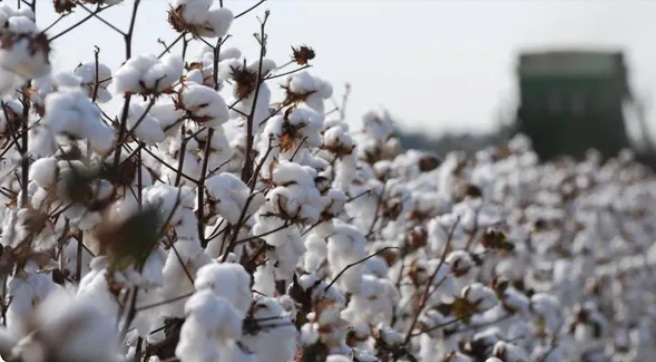
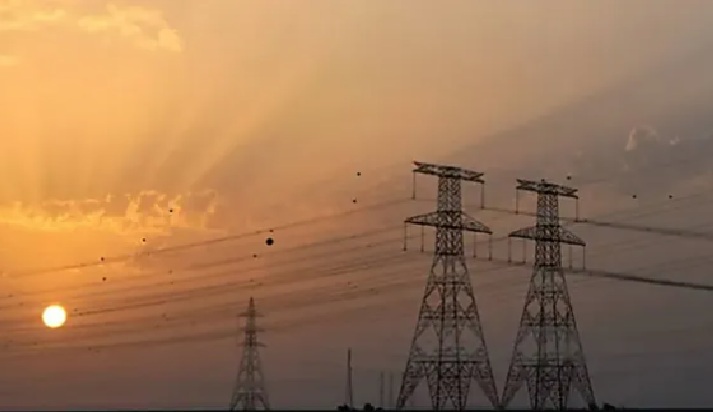
Panjab government’s initiative to encourage cotton cultivation by offering a 33% subsidy on certified BT cotton hybrids and desi (native) seed varieties is not attracting farmers. Panjab Agriculture Department says that only 19K farmers registered under the scheme in 2026, compared to 52K in 2025—a 63% decline. The reduced participation is due to pest attacks and unfavorable weather conditions that have affected cotton cultivation since 2021. Concurrently, erratic power supply and absence of rain have left paddy farmers across Panjab worried about rising cultivation costs, with some reporting cracks in their fields and being forced to rely on diesel generators for irrigation. When cracks develop, water seeps deep into the ground, making irrigation more difficult. Farmer Dalbir Singh from Ismail village, Jalandhar district, says, ‘If we don’t get proper electricity supply now, crop yield will get affected,’ adding that weeds had also started growing in his fields, forcing him to spend more on weed management. Additionally, soil is showing signs of fatigue after years of intensive wheat-paddy cultivation in many parts of Panjab. Excessive dependence on chemical fertilizers, declining organic matter, and increasing cultivation costs have produced a crisis less visible than a drought or pest attack, but more damaging to farming. This prompted Punjab Agricultural University to launch its month-long Khet Bachao Abhiyan (save your fields campaign), during which scientists and agriculture officials traveled to villages and interacted with more than 6.5K farmers, rural women, Self-Help Groups, Farmer Producer Organizations, and other stakeholders. Farmers were cautioned over excessive chemical and fertilizer use, and to improve soil organic matter through green manuring. Panjab has 1.53% of the country’s total area, but its share in chemical usage is around 8–9% of India's. The state has 0.51% organic matter in the soil against the minimum requirement of 1%, while the international standards suggest having around 3–5% organic matter in the soil. Meanwhile, a fresh controversy over the proposed inclusion of Madhya Pradesh in the Geographical Indication area for Basmati rice has triggered strong opposition from Panjab’s exporters, rice millers, and farming community. Ashok Sethi, Director, Punjab Rice Millers Exporters Association, has written a letter to the union Minister of Commerce and Industry, Piyush Goyal, urging to retain Basmati cultivation within the traditional Indo-Gangetic belt (earlier coverage).