

Thank you! Your submission has been received!
Oops! Something went wrong while submitting the form.
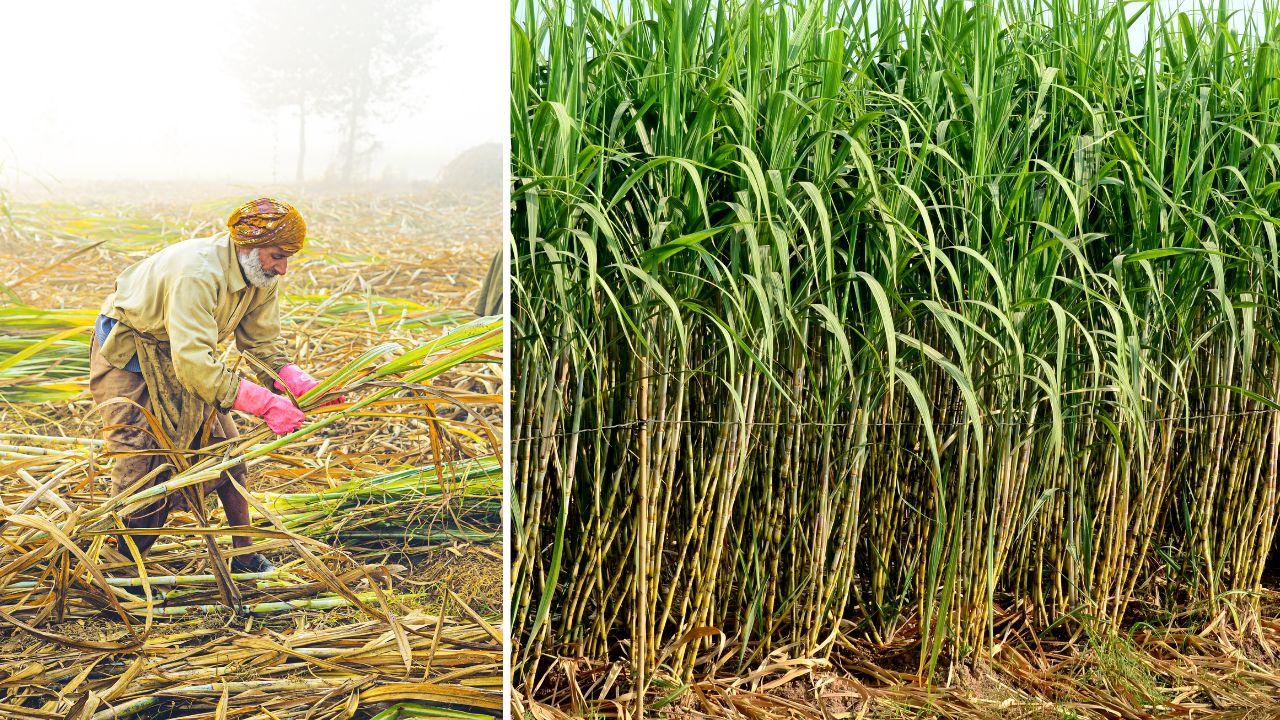
The Panjab Cabinet approved a direct subsidy of USD 0.75 (INR 68.5) per quintal for sugarcane growers, becoming the state offering the highest sugarcane price in India. The subsidy will be paid directly to sugarcane farmers on behalf of private sugar mills for the crushing season 2025–26. A total budget allocation of USD 35M has been approved. An official said, 'Panjab already offers the highest state agreed price for sugarcane in the country at USD 4.5 (INR 416) per quintal, reflecting an increase of USD 0.16 (INR 15) from the 2024–25.' To promote crop diversification, the Cabinet has also approved collaboration with Japan International Cooperation Agency for introducing Japanese technology to strengthen Panjab’s horticulture sector. The collaboration will focus on horticulture development, cold chain infrastructure, water management and skill development to double horticulture’s share in Panjab’s economy. Meanwhile, in a bid to curb hoarding and ensure adequate market supply, the union government of India issued orders to regulate wheat stocks across the country, imposing strict limits on the quantity that traders, retailers, processors and other entities can hold until 31 Mar. The order stated, ‘Traders and wholesalers have been capped at holding a maximum of 2K MT of wheat. Traditional retail outlets are permitted to hold no more than 8 MT of wheat at each store.’ Meanwhile, a group of empanelled Fortified Rice Kernel (FRK) manufacturers has approached the Punjab and Haryana High Court, challenging what they describe as an ‘arbitrary, unconstitutional and midstream change of rules’ by the state procurement authorities. The petitioners, all Panjab-based FRK manufacturers empanelled for the Kharif (monsoon) Marketing Season 2025–26, have sought quashing two official letters dated 15 Dec 2025 that alter the supply chain, allocation mechanism, and payment structure, which were clearly laid down in the original Request for Proposal issued on 5 Aug 2025. Meanwhile, the Agriculture Department has launched a campaign to intensify the crackdown on fake pesticides being sold on e-commerce platforms after it identified unauthorized pesticide sales, noting a major threat to the environment and crops. The department also appealed to the farmers, urging them to seek guidance about the use of recommended doses of genuine pesticides prescribed for their crops (earlier coverage).