
Thank you! Your submission has been received!
Oops! Something went wrong while submitting the form.
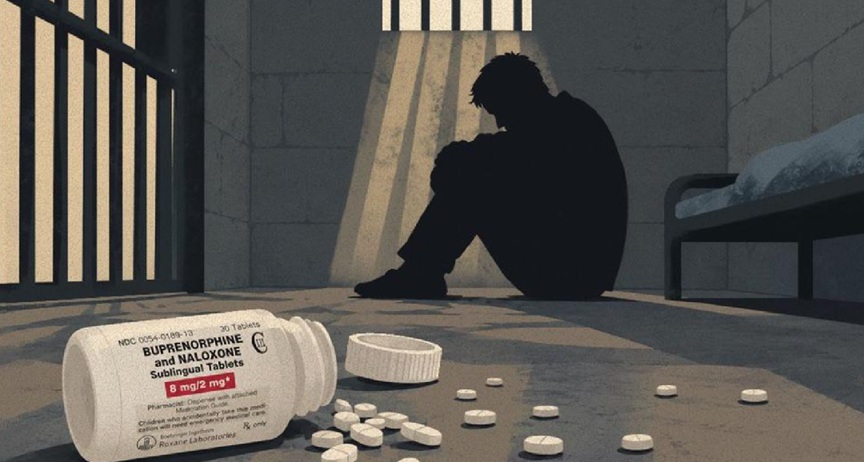
In 2017, the Panjab government introduced a new therapy for victims of drug abuse, which involved putting users of opioids like heroin, locally called chitta, on a combination of less potent opioids—buprenorphine and naloxone pills—to wean them off their addiction. These pills were meant to be taken orally and under medical supervision. According to a psychiatrist working in one of Panjab’s central jails, the therapy drastically reduced the vulnerability of an addict. He said, ‘Firstly, there is no intravenous use, because of which an addict is less likely to get infected with HIV, hepatitis, or other diseases. There is almost zero chance of drug overdose death.’ The therapy was rolled out across more than 529 clinics over the years. However, in November 2023, the state government informed the Panjab Assembly that around 80–90% of patients who complete this treatment at the state’s Outpatient Opioid Assisted Treatment (OOAT) clinics relapse into addiction. Since then, the supply of buprenorphine pills to Panjab’s prisons has surged, and the number of inmates registered with deaddiction clinics has doubled. On 3 Sep, the Punjab and Haryana High Court (PHHC) asked the government to explain the staggering use of buprenorphine pills in the state’s prisons. In June, a judge filed a report to PHHC flagging that nearly 70% of the Mansa district jail’s inmates were dependent on drugs like buprenorphine and naloxone prescribed to them by an OOAT clinic in the jail. Nearly 45% of the inmates lodged in different jails were victims of drug abuse. Incidentally, 83% of the drug-dependent inmates had no history of seeking treatment for substance abuse before entering the jail, the government disclosed. While medical officers posted in jails say the drugs are administered to inmates under their supervision, shortage of staff often compels them to seek help from senior or educated prisoners in ensuring the distribution of the drugs. India's 1,332 prisons also face significant overcrowding. By 2023, these prisons across India held 530,333 incarcerated persons—the fourth-highest in the world. The vast majority of prison inmates in India have not been convicted of any crime, and three out of four inmates are undertrials. The prison population saw a record jump during the COVID-19 pandemic—due to increased arrests and the delay in bail hearings. Uttar Pradesh, Bihar, Madhya Pradesh, Maharashtra, and Panjab have the most prison inmates. The five states account for 51% of the country's prison population, though they represent 43% of the country's total population (earlier coverage).