




Thank you! Your submission has been received!
Oops! Something went wrong while submitting the form.
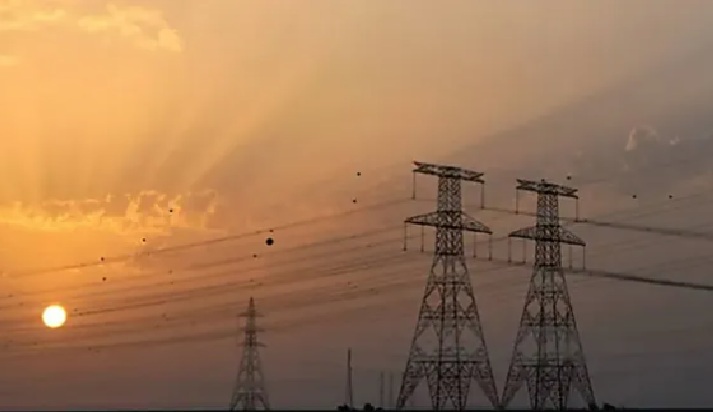
Panjab’s agriculture sector, which contributes nearly USD 8.5B annually to the state economy—USD 3.7B from wheat and USD 4.8B from paddy—is facing an unusual convergence of challenges. The three pillars that sustain this system—efficient wheat procurement, assured fertilizer supply and reliable power—are all under strain, threatening a cascading economic impact. The immediate concern stems from wheat procurement. Early delays due to heavy rains combined with a noticeable dip in yield, have slowed the flow of income to farmers. Of the 9.9 MMT wheat that arrived in grain markets till 25 Apr, 9.5 MMT has been procured but only 19% of it has moved. The grain markets remain clogged with over 6.5 MMT of unlifted grain. Panjab’s fertilizer-intensive agriculture also faces a potential crunch—particularly of urea. While 480 KMT is currently available, the requirement for the monsoon season stands at 1.6 MMT. Rural areas are already witnessing long, often unscheduled outages which officially attribute to maintenance work. Outages have triggered protests, with farmers laying siege to power stations in Mansa and clashing with officials at Dagru village, Moga district. The vice-president of the Kirti Kisan Union (a farmer’s union) Rajinder Singh Deepsinghwala says, 'If electricity is not reliably available from June to August, paddy production will suffer badly. Farmers may then rely more on fertilizers—which will also be in short supply.' Concurrently, Panjab Rehabilitation and Disaster Management minister Hardeep Singh Mundian announced a relief package of USD 13M for farmers whose crops were damaged due to hailstorms that struck parts of the state. Additionally, for the past week murky, dark green-colored water has been flowing through canals across Ferozepur, Faridkot, Muktsar, and Fazilka districts, posing a potential health risk to residents and farmers who use it for drinking and irrigation. The situation has arisen because the Rajasthan Feeder canal is closed for relining work in Faridkot district till 3 May, which can extend. As temperature has crossed 41°C, there is an acute shortage of potable water. Several waterworks dependent on canal supply have either shut down or shifted to groundwater, which in many areas is considered unfit for consumption due to high Total Dissolved Solids levels (earlier coverage).


