



Thank you! Your submission has been received!
Oops! Something went wrong while submitting the form.
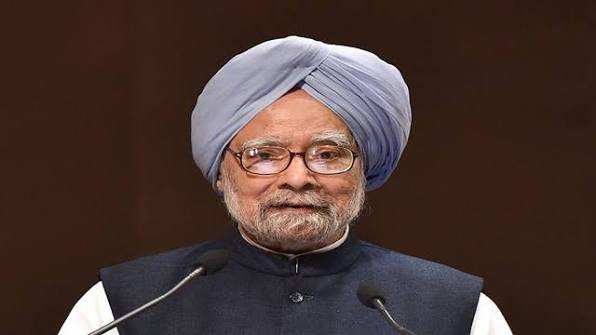
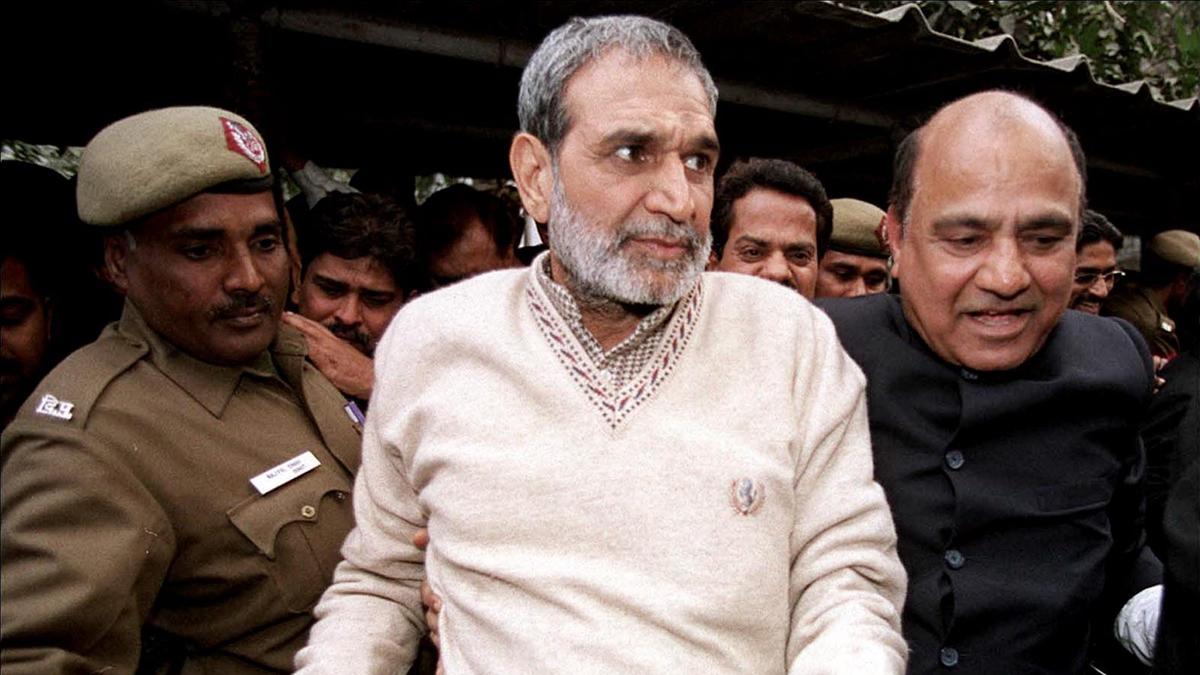
On 11 Aug 2005, after the Nanavati Commission's report on the 1984 Sikh genocide was tabled in the Parliament, Indian National Congress (INC) Prime Minister Manmohan Singh, a Sikh, apologized on behalf of his political party and government. He said, 'I have no hesitation in apologizing not only to the Sikh community, but to the whole Indian nation because what took place in 1984 is the negation of the concept of nationhood enshrined in our Constitution.' An apology is meaningful if the remorse for wrong action is genuine and if the apology is a solemn promise that such action will never be repeated. On 20 Aug 2020, former INC Member of Parliament (MP) Sajjan Kumar, convicted for murder and arson in the genocide, and punished with three life sentences, died in Tihar jail, New Delhi. Sajjan Kumar had resigned from INC’s primary membership in December 2018. However, that did not stop the Delhi Congress X handle from offering condolences to Kumar. The Chairman Delhi Pradesh (State) Congress Committee Devendra Yadav posted information about Sajjan’s last rites which was well attended by INC members. Haryana INC MP, Deepinder Hooda, called Kumar an 'example' for all of north India. Though Hooda later tried to retract his statement claiming Sikhs are his brothers, INC MPs, Randeep Surjewala and Pawan Khera also praised Kumar. The way INC leaders have rallied to pay eulogies to Kumar shows that the Delhi leadership has little remorse for the 1984 Sikh genocide and Kumar’s role in it and would rather give in to Jat (farmer) appeasement for political mileage. The INC praise for Kumar stands in sharp contrast with Panjab INC MP Charanjit Singh Channi’s call that Kumar should have been hanged to death in a public square for his crimes against humanity. Panjab INC Member of Legislative Party, Pargat Singh said that Kumar is no role model for Panjabis and Sikhs. Several Sikh leaders and members of families affected by the genocide staged a protest outside INC's Rahul Gandhi’s residence on 22 Aug, demanding an apology over remarks by INC leaders. However, though the 1990s–2000s, the INC had kept genocide accused Jagdish Tytler and Kamal Nath as its ministers in the union cabinet. INC has been more interested in appeasing voters and protecting the accused than genuinely addressing the community and its wounds (earlier coverage).