

Thank you! Your submission has been received!
Oops! Something went wrong while submitting the form.
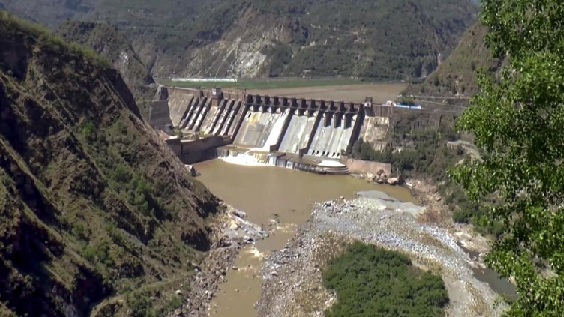
The Indian union government has approved a hike in Minimum Support Price (MSP) of 14 kharif (monsoon) crops for 2026–27. Paddy MSP has been increased by 3% to USD 25.36 per quintal. The highest increase in MSP has been recommended for sunflower seed at USD 6.46 per quintal, followed by cotton (USD 5.79 per quintal), niger seed (USD 5.35 per quintal) and sesamum (USD 5.19 per quintal), signaling farmers to opt for oilseeds over other crops and to reduce India’s import bills of edible oils. The hike will come into force from the marketing season beginning 1 Oct. The government estimates the total payout to farmers at USD 27B, after factoring in the annual procurement, projected at 82.4MT. Meanwhile, as Panjab moves into another paddy sowing season, concerns over shrinking groundwater reserves are once again emerging. Despite warnings from agricultural experts and environmentalists, the area under paddy in Panjab has expanded to 3.22M hectares in 2025–26, from 3.24M hectares in 2024–25. The Panjab government has aggressively promoted Direct-Seeded Rice (DSR) for the past decade as an alternative to the conventional puddled transplanted paddy system. DSR can reduce water consumption by 15–20% and reduce labor dependency—which has become another major challenge. But whether Panjab can stave off its aquifers from depleting remains a question. Furthermore, India rejected an award by the Court of Arbitration (CoA) at The Hague on 15 May concerning maximum pondage at Indian hydroelectric projects on the Indus river system. India reiterated that it does not ‘recognize the tribunal as legitimately constituted’. The CoA concluded a three-day hearing from 28 Apr on Pakistan’s request on the status of the Indus Water Treaty which was put in abeyance by India in April 2025. India did not respond to an invitation to participate in the hearing and did not appear. Additionally, Panjab Chief Minister Bhagwant Mann raised the issue of shortage of canal water in the state’s border belt before the Ravi-Beas Water Tribunal, which visited Amritsar and Ferozepur to assess the availability and distribution of river waters among Panjab, Haryana, and Rajasthan (earlier coverage).